
Polyurethane coatings are strong and durable protective paints used on steel to resist sunlight, weather, chemicals, and general wear and tear. These polyurethane topcoats are usually the last layer in a coating system because they keep their color and gloss for a long time, especially under UV light.
However, for polyurethane coatings to work well, the steel surface must be properly cleaned and roughened. This process is called surface preparation, and it is the foundation of any successful epoxy and polyurethane coating system.
Surface preparation removes rust, dust, mill scale, and old paint so the primer and polyurethane coatings can bond strongly to the steel. Even the best coating will fail early if the surface preparation is poor. This is why understanding Sa 2.5 surface preparation and Sa 3 white metal blasting is important for long-term protection.
What Are Polyurethane Coatings? (Simple Explanation)
Polyurethane coatings are protective paints made from special chemicals that react together to form a tough, flexible, long-lasting film. These coatings are widely used in industrial steel coating systems because they provide strong UV resistance, excellent color retention, and good protection against rain, chemicals, and sunlight.
There are two common types of polyurethane coatings:
Aliphatic polyurethane coating – best for outdoor steel because of strong UV and weather resistance.
Aromatic polyurethane coating – used indoors where sunlight does not reach.
Most industrial protection systems use an epoxy primer, an epoxy intermediate coat, and a polyurethane topcoat. The epoxy layers give corrosion protection, while the polyurethane coating provides weather resistance and the final attractive finish.
Polyurethane coatings always last longer when applied to steel prepared to Sa 2.5 or Sa 3, because these surface preparation standards ensure the steel is clean and rough enough for good adhesion.
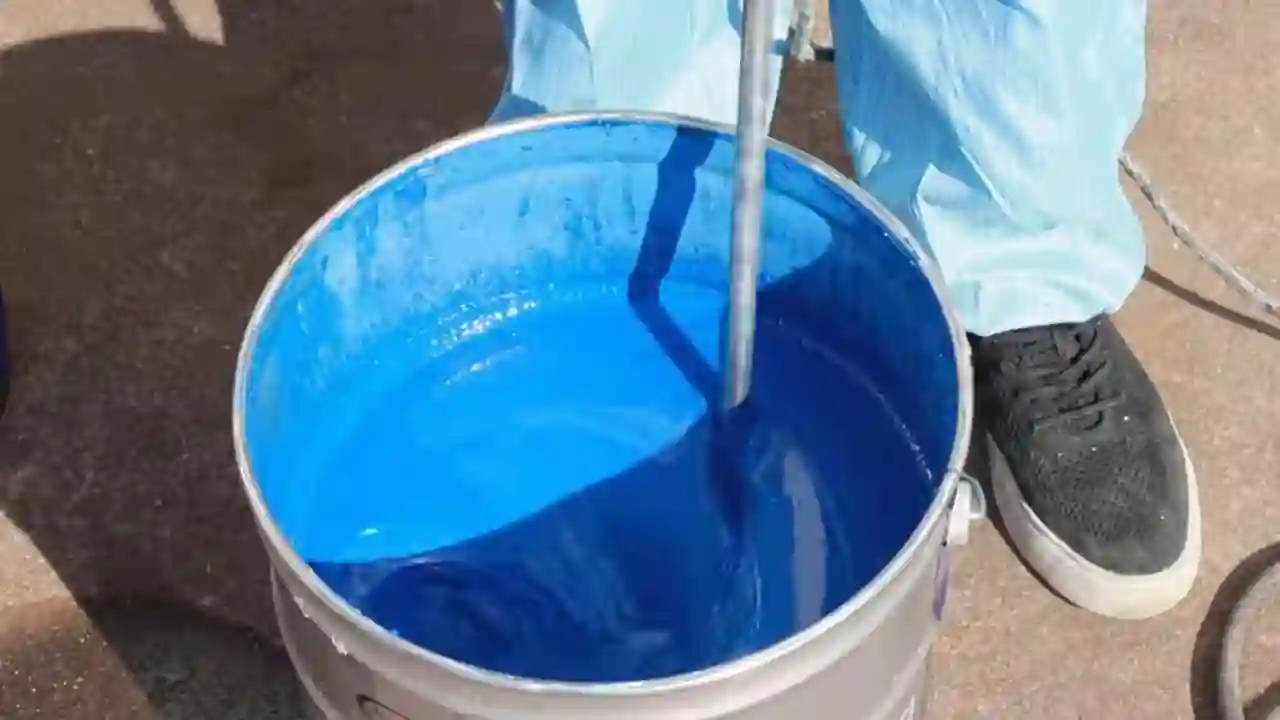
What Is Surface Preparation for Polyurethane Coatings and Epoxy Systems?
Surface preparation means cleaning the steel, removing rust, and creating a correct roughness before applying coatings. It is the most important part of any industrial coating system, especially when using epoxy primers and polyurethane topcoats.
International standards such as ISO 8501-1 define different levels of cleanliness. The two most common grades required before applying epoxy and polyurethane coatings are Sa 2.5 and Sa 3.
What Do Sa 2.5 and Sa 3 Mean in Surface Preparation Standards?
- Sa 2.5 and Sa 3 come from abrasive blasting standards used to clean steel surfaces.
- Sa 2.5 (Very thorough blast-cleaning)
Almost all rust, mill scale, and old paint are removed. Only slight shadows or light stains may remain. This is the most common requirement before applying epoxy and polyurethane coating systems.
Sa 3 (Blast-cleaning to visually clean steel)
All rust, paint, and mill scale are completely removed. The surface looks bright, clean, and metallic with no stains. This is the highest cleanliness level and is often called white metal blasting.
Both standards are achieved using abrasive blasting, but Sa 3 requires more time, more abrasive, and more care.
Sa 2.5 vs Sa 3 – Which Surface Preparation Is Better for Polyurethane Coatings?
Both grades are good, but choosing between Sa 2.5 and Sa 3 depends on the project and environment.
For most industrial steel structures, marine steel, bridges, buildings, and general plant equipment, Sa 2.5 is the best and most economical choice. It provides excellent performance for epoxy and polyurethane coatings without high extra cost.
Sa 3 is usually needed only in very aggressive or chemical environments or when the manufacturer specifically requires the highest level of steel cleanliness.
In simple words:
Sa 2.5 is enough for almost all polyurethane coating systems.
Sa 3 is only needed for very critical or specialized projects.
Step 1 – Surface Preparation Process for Sa 2.5 and Sa 3
- Both Sa 2.5 and Sa 3 follow similar steps, but Sa 3 needs more complete cleaning.
- The steel is first cleaned with solvents or detergents to remove oil, grease, and salts. This prevents contamination from being pushed into the steel during blasting.
- Abrasive blasting is then carried out with steel grit, shot, or other blasting media. The pressure and angle are controlled to create the correct roughness.
- For Sa 2.5, blasting continues until nearly all rust and mill scale are removed, with only very light shadows remaining.
For Sa 3, blasting continues until the surface looks completely bright and metallic with no visible stains. - After blasting, the surface profile is checked. Most epoxy and polyurethane coatings require a roughness of 40–100 microns to ensure good adhesion.
- Loose dust is removed using clean, dry air or vacuuming. If dust remains, the coating may peel or form pinholes.
- Because freshly blasted steel can start rusting quickly, especially in humid or marine regions, the first coat must be applied as soon as possible.
Step 2 – Coating Application: Epoxy Primers and Polyurethane Topcoats
- After reaching Sa 2.5 or Sa 3, the coating system is applied. A typical high-performance system includes:
- Epoxy primer – bonds strongly to the steel and prevents rust.
- Epoxy intermediate coat – builds thickness and acts as the main corrosion barrier.
- Polyurethane topcoat – provides UV resistance, color retention, and a smooth finish.
The epoxy primer must be applied correctly and cover all welds and corners. The epoxy intermediate coat adds durability. Finally, the polyurethane coating protects the epoxy from sunlight and gives the final appearance.
This combination of epoxy + polyurethane coating is widely used in marine, offshore, and industrial steel structures.
Step 3 – Inspection After Surface Preparation and Coating
- Inspection confirms that the coated steel meets all required standards.
- The steel is visually checked after blasting to ensure it matches Sa 2.5 or Sa 3 cleanliness. The surface profile is measured to make sure it meets the coating manufacturer’s recommendations.
Wet and dry film thickness measurements are taken during painting. In critical areas such as tanks, adhesion tests or holiday tests may also be done to ensure the coating is continuous and strong.
When all requirements are met, the system is approved and the steel structure is ready for service.
Advantages and Disadvantages of Sa 2.5 and Sa 3 With Polyurethane Coatings
Sa 2.5 is preferred because it provides a very good balance of performance and cost. It is the most common requirement for applying epoxy and polyurethane coatings on industrial steel, bridges, offshore structures, and marine equipment.
Sa 3 gives the highest cleanliness level and may offer extra protection in chemical tanks or immersion service. But Sa 3 requires more time and higher expense, and the performance difference is small in many normal environments.
Simple Recommendation When Using Polyurethane Coatings
For most industrial and marine projects, Sa 2.5 surface preparation with an epoxy primer and a polyurethane topcoat is the best and most economical option. It gives strong protection and long service life.
Choose Sa 3 white metal blasting only when the coating manufacturer or project specification clearly demands the highest cleanliness level.
FAQs About Polyurethane Coatings and Surface Preparation
1. Is Sa 2.5 good for polyurethane coatings?
Yes. Sa 2.5 is the most common and widely accepted surface preparation grade for polyurethane topcoats.
2. Does Sa 3 make polyurethane coatings last much longer?
Only in very aggressive environments or chemical tanks. For most projects, Sa 2.5 performs extremely well.
3. Do polyurethane coating systems need special blasting machines?
No. The same blasting machines are used for both Sa 2.5 and Sa 3.
4. How soon should epoxy primer be applied after blasting?
As soon as possible, usually within a few hours, to avoid flash rust.
5. What happens if surface preparation is poor?
Even the best epoxy and polyurethane coatings will fail early if the steel is not properly blasted.
Suggested Posts
Polyurethane Top Coat Flaking or Peeling: Why It Happens