
Coating vs. Painting – Have you ever looked at a colorful wall or a shiny car and wondered how it gets that look and how it stays protected? Two important ways to cover surfaces are painting and coating. They might look similar, but they have different jobs. Let’s explore what makes them different and why people choose one over the other, especially in places like factories, homes, and even oil and gas industries.

What Is Painting?
Painting is like coloring with your crayons or markers, but on things like walls, wood, or metal. It usually adds color and makes things pretty. Paint comes in many colors and finishes, like bright red or soft blue, shiny or matte. People use paint mainly to make objects look nice and to keep them safe from everyday dirt and weather.
Paint is made of tiny color particles called pigments mixed with liquids (called binders and solvents) that help it spread smoothly. When you apply paint, it dries by letting the liquid part evaporate into the air, leaving behind a colorful layer that sticks to the surface. Most people use brushes, rollers, or spray guns to paint.
But paint is usually thin and not super tough. It can peel off, fade, or get scratched if it faces lots of wind, sun, water, or harsh chemicals. So, paint is great for decoration and some protection but often needs a fresh coat every few years.

What Is Coating?
Coating is like painting’s big and strong cousin. It’s also a covering for surfaces, but it’s thicker and made to protect things from really tough conditions. Imagine coating as a superhero cape that protects metal pipes, cars, airplanes, or oil rigs from rust, heat, scratches, and chemicals.
Coatings come from tough materials like epoxy, polyurethane, or powder, and they create a hard shell that lasts a long time. Instead of drying like paint, coatings often cure through a chemical process that makes them super sticky and durable.
People don’t just use one layer of coating; sometimes, they apply several layers to make sure the surface stays safe for years. Applying coatings often needs special machines and expert people because it’s more complicated than painting.
Coating vs. Painting – How Are They Different?
Here’s a simple way to understand the differences:
| Feature | Painting | Coating |
| Purpose | Make surfaces look nice and add some protection | Provide strong protection in harsh conditions |
| Thickness | Thin layers, multiple coats | Thicker layers, fewer coats needed |
| Materials | Made of pigments, binders, solvents | Made of polymers, resins, powders |
| Application Tools | Brushes, rollers, spray guns | Spray guns, dipping tanks, powder coat machines |
| Durability | Less durable, needs repainting often | Very durable, lasts many years without reapplying |
| Cost | Cheaper upfront | More expensive due to durability and materials |
| Use Areas | Homes, furniture, crafts | Industrial machines, pipelines, cars, oil rigs |
| Drying/Curing Process | Dries by solvent evaporation | Cures by chemical reaction or heat |
Coating and painting play different but important roles. Paint mainly beautifies and gives basic protection. Coating protects surfaces in places where damage could cause big problems, such as in factories, marine ships, and oil and gas pipelines.
When Should You Use Coating or Painting?
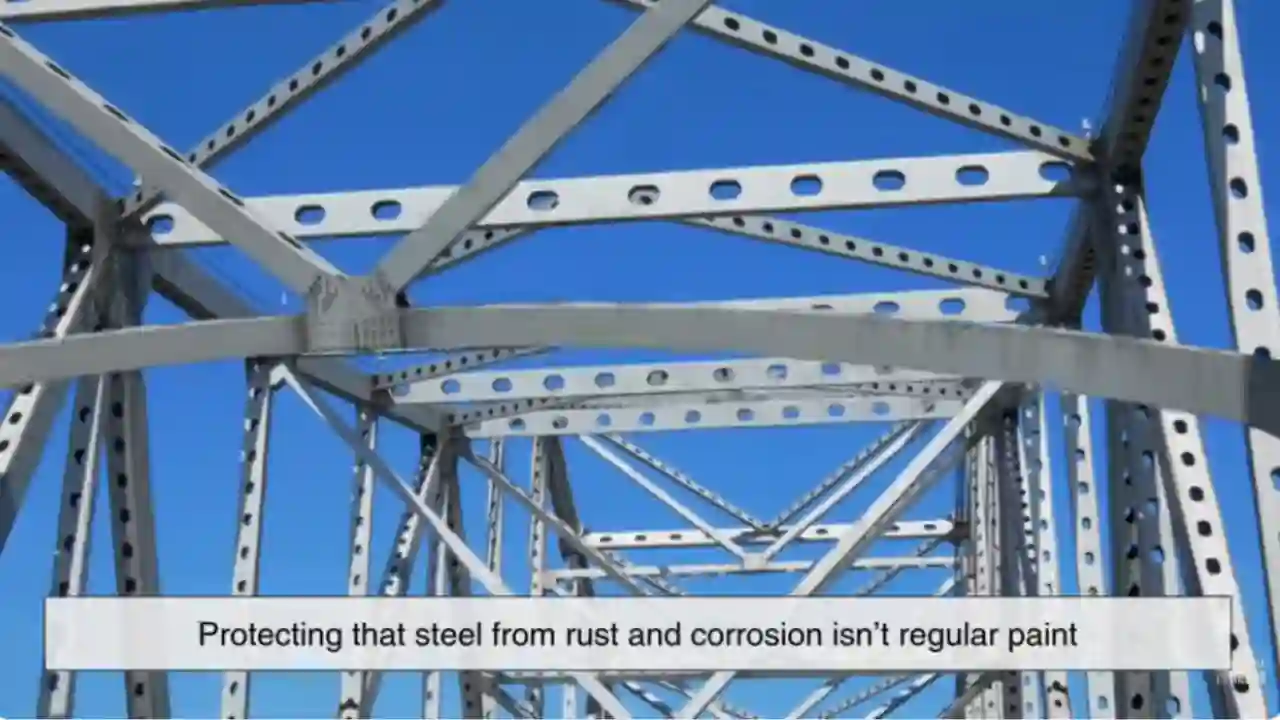
If you want a wall to look colorful or make furniture more attractive, painting is the best choice. It’s easy, fast, and cheaper. But if you want to protect something from rust, chemicals, or rough weather, like protecting oil pipelines or steel bridges, coatings are much better.
Coatings can resist heat, water, chemicals, and scratches much longer than paint. They help surfaces last longer without needing repair or replacement. This saves lots of money and headaches in the long run, especially in industries like oil and gas where equipment faces extreme environments.

Powder Coating vs. Paint
A popular type of coating is powder coating. Unlike paint, powder coating uses tiny dry powder particles that stick to surfaces when electrically charged. Then the object is heated, and the powder melts and forms a hard, smooth, and shiny finish.
Powder coating is very popular for cars, bikes, and metal furniture because it’s tough, lasts longer, and is more eco-friendly with fewer harmful chemicals. Paint offers more color options but is less durable and may fade faster in the sun.
Environmental Impact and Safety
When choosing between coating and painting, it’s important to think about the environment. Some paints release VOCs (volatile organic compounds), which can be bad for air quality and health. Many modern coatings and powder coatings release fewer VOCs and are more eco-friendly.
This makes coatings a better choice in industries that care about pollution and worker safety. Plus, coatings often last longer, meaning less waste and less frequent repainting.
Benefits of Coating Over Paint
- Stronger protection from rust, scratches, and chemicals
- Longer lifespan, less maintenance needed
- Can protect against heat, fire, and UV rays
- Available in many specialized types for specific uses
- Better environmental safety with low VOC options
Common Applications
- Industrial Use: Protecting oil and gas pipelines from corrosion
- Automotive: Making cars look shiny and protected
- Marine: Protecting ships from salty water
- Construction: Protecting steel and concrete from weather damage
- Household: Painting walls and furniture for decoration
Summary – Coating vs. Painting
Both coating and painting cover surfaces, but with different jobs. Paint is for color and basic protection, perfect for homes and decorations. Coating is tough, protective, and made for harsh environments like factories and oil rigs.
Choosing the right one depends on your needs. If you want beauty and a quick fix, paint is your friend. If you want long-lasting protection, coating is a superhero cape for your stuff.
Image Credits: All images are sourced from YouTube. Credits belong to the respective channel owners. History of Simple Things
Suggested Posts
Anti Fouling Paint | Complete Guide for Boats and Marine Surfaces
Internal Pipe Coating | A Simple and Complete Guide for Beginners
Intumescent Coating: Simple Guide for Fire Safety in Oil and Gas
Polyurethane Coatings | Polyurethane Coatings for Metal Surfaces