
Types of Coating & Blasting Techniques are methods used to apply protective or decorative layers onto different surfaces. In industrial applications, these techniques help protect metals, machines, tools, and equipment from damage caused by rust, wear, heat, and harsh environments. They also improve appearance and extend the overall lifespan of industrial components. Different coating and blasting methods are used depending on the material, shape, and working conditions.
In this article, we will explain the main types of coating and blasting techniques used in industries, why they are important, how they work, and where they are commonly applied. The goal is to make the topic easy to understand for everyone—from coating professionals to readers who are new to the field.
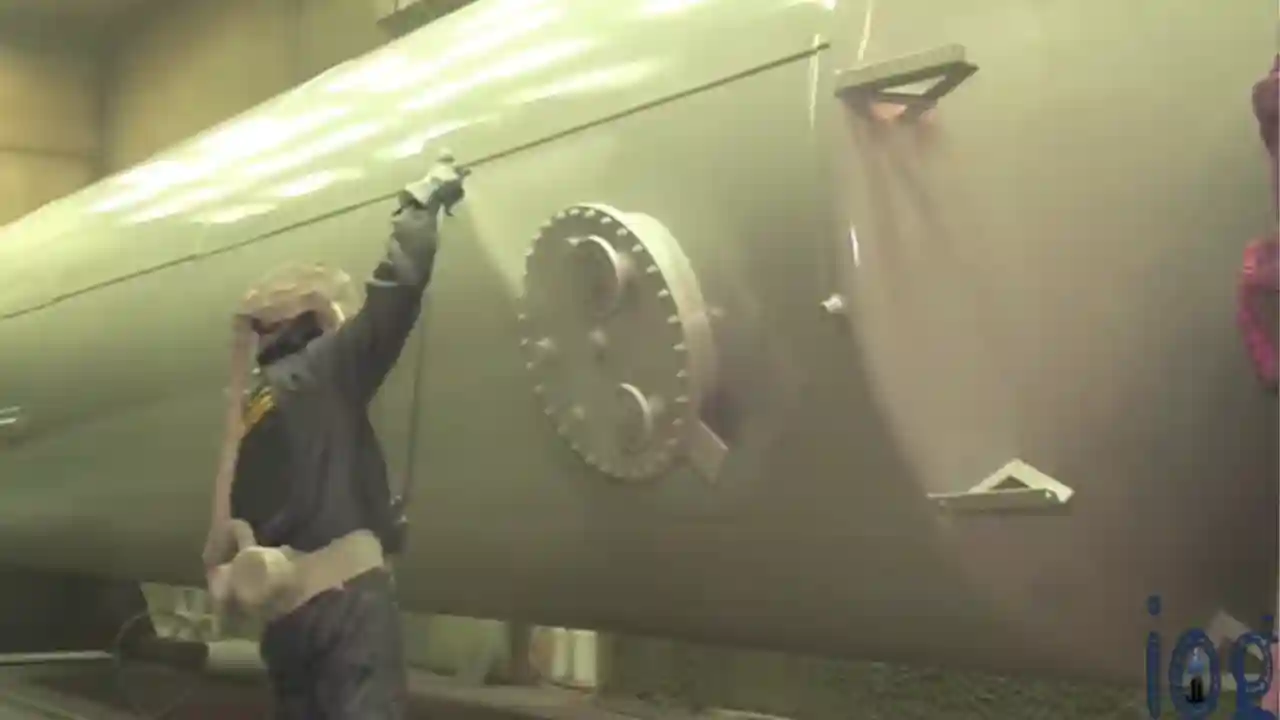
What is Industrial Coating?
Industrial coating means covering equipment, machines, tools, or metal parts with special materials to protect them or improve their features. These coatings can stop rust, dirt, and scratches, and sometimes add color or shine. The coating materials can be paint, powder, chemicals, or metals.
The method or technique used to put on coatings is very important because it affects how well the coating sticks, how smooth it looks, and how long it lasts. Choosing the right coating technique depends on the type of object, the material, the size, the shape, and sometimes the environment where it will be used.
Common Types of Industrial Coating Techniques
1. Spraying
Spraying is one of the most popular ways to coat surfaces. It uses a spray gun that shoots tiny droplets of paint or coating material onto the surface. This method is fast and good for covering large areas evenly.
How it works: The coating material is pushed through a nozzle, breaking into fine mist droplets that spread over the object.
Advantages: Quick, covers big surfaces, smooth finish, can be used for many materials.
Where used: Cars, furniture, machines, metal structures.
Types of spray: Air spray, airless spray, electrostatic spray (which uses electric charge to make coating stick better).
Spraying is great for speed and coverage, but needs good ventilation and protective gear because the spray can float in the air.
2. Brushing
Brushing is the oldest and simplest coating method where a paintbrush is used to apply the coating.
How it works: A worker dips a brush into paint and applies it directly by hand.
Advantages: Good control, perfect for small or detailed jobs, cheap, uses less equipment.
Where used: Small parts, touch-ups, wood surfaces or areas needing careful work.
Though brushing is slower and may leave brush marks, it is very useful for precision work and small projects.
3. Dipping
Dipping means dipping the object into a tank filled with liquid coating material and then taking it out to dry.
How it works: The item is fully immersed in the coating liquid to get an even layer all around.
Advantages: Covers the entire object evenly, less waste of coating material, great for many small items at once.
Where used: Tools, hardware like screws or nuts, small machine parts.
This method is very efficient for factories producing large amounts of coated items with simple shapes.
4. Anodizing
Anodizing is a special method mostly for metals like aluminum.
How it works: The metal is put into an electric bath that makes its surface form a thicker protective layer called oxide.
Advantages: Very strong protection against corrosion and wear, can add color finishes, safe for environment.
Where used: Airplanes, cars, buildings, electronic devices.
Anodizing doesn’t add paint but changes the metal surface to last longer and look better.
5. Galvanizing
Galvanizing is another protective coating method mainly for steel or iron.
How it works: Steel or iron is coated with zinc, which stops rust by acting like a shield.
Advantages: Long-lasting, excellent against corrosion even in tough conditions.
Where used: Outdoor construction, bridges, pipelines, fences.
The zinc coating slowly wears away instead of the metal underneath, keeping it safe.
Other Industrial Coating Techniques
Industries also use some special and advanced coating techniques:
Powder Coating: Dry powder is sprayed onto the surface and then heated to form a hard layer.
Electrophoretic Coating (E-Coating): Uses electric current to deposit coating particles evenly on metal parts.
Roll Coating: Uses rollers to apply coatings on flat surfaces like paper, film, or metal sheets.
Spin Coating: A thin coating spread by spinning the object; mainly used in electronics.
Chemical Vapor Deposition (CVD) and Physical Vapor Deposition (PVD): High-tech methods that form very thin coatings by vaporizing materials.
How to Choose the Best Coating Technique?
Choosing the right coating technique depends on:
Material: Metal, plastic, wood can need different coating methods.
Size and Shape: Big flat surfaces may be sprayed; small or complex shapes may be dipped or brushed.
Desired Finish: Smooth, glossy, or textured results require different methods.
Production Volume: High-volume manufacturing benefits from fast methods like spraying or dipping.
Environment: Outdoor objects need durable coatings like galvanizing or anodizing.
Blasting Techniques
Properly blasting a pipe—especially for industrial applications like the one in your images—requires a balance of safety, precision, and the right equipment settings. Since we’ve got your blaster set up with that new red hood, here is how to execute the technique effectively:
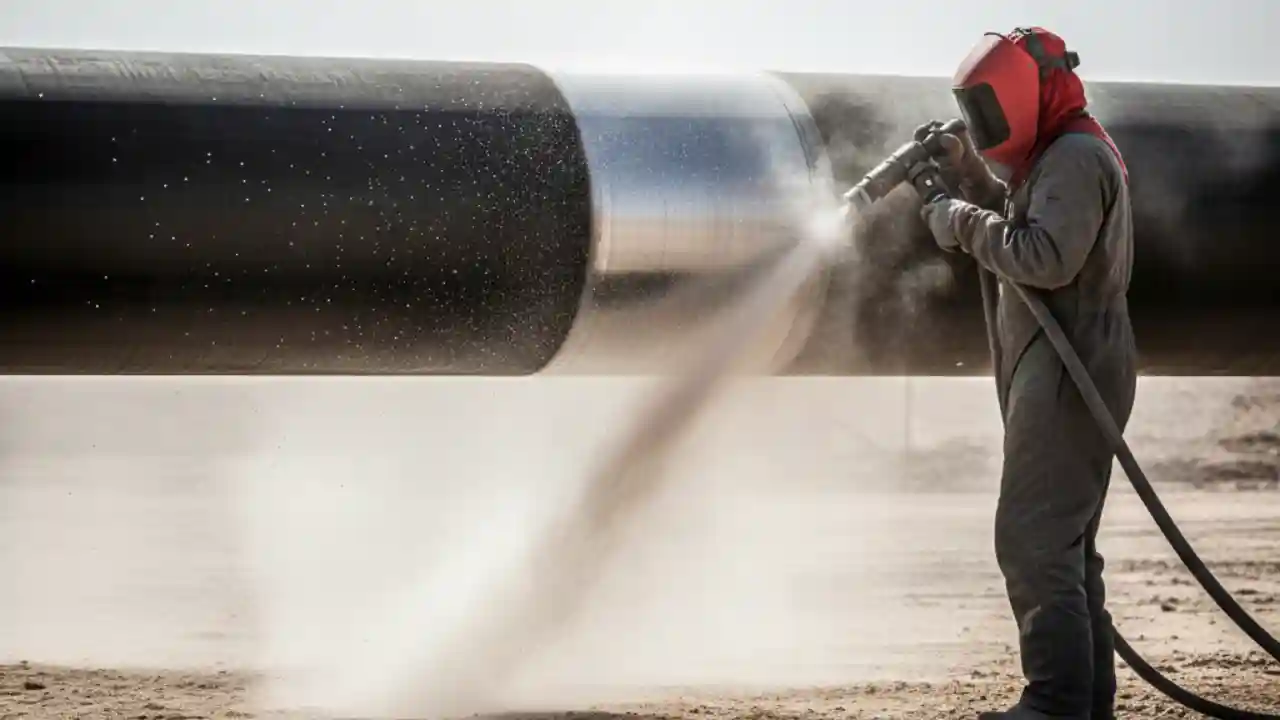
- Safety and Equipment Setup
Before pulling the trigger, ensure the environment and gear are ready:
- Grade D Breathing Air: Your blasting helmet must be connected to a monitored air filtration system.
- Static Grounding: Abrasive flowing through a hose creates significant static electricity. Ensure the nozzle and the pipe are properly grounded to prevent shocks or sparks.
- Media Quality: Use dry, uncontaminated abrasive media (like garnet or steel grit) to ensure a consistent anchor profile for the “Prepared Surface” mentioned in your image.
- Execution Parameters
To get a uniform finish without damaging the metal, follow these standard industrial guidelines:
| Factor | Recommended Setting | Why it matters |
| Nozzle Angle | 45° to 90° | A 90° angle provides the most impact for heavy rust; a 45° angle is better for “scouring” off old coatings. |
| Distance | 6 to 12 inches | Too close can warp thin metal; too far reduces the force, wasting media and time. |
| Pass Overlap | 50% | Overlapping each stroke by half ensures you don’t leave “holidays” (unblasted strips). |
| Nozzle Pressure | 90–100 PSI | This is the “sweet spot” for most industrial pipe steel to achieve the required profile. |
Summary – Types of Coating & Blasting Techniques
Industrial coating techniques protect objects and give them a beautiful finish. The main methods are spraying, brushing, dipping, anodizing, and galvanizing. Each has its own advantages and is suited for different applications. Spraying is fast and covers large areas, brushing is good for small and detailed work, dipping is efficient for many small objects, anodizing creates durable metal surfaces, and galvanizing protects steel from rust. Knowing these techniques helps industries pick the best way to coat their products for strength, appearance, and long life.
Frequently Asked Questions (FAQs)
Q1: What is the easiest coating method?
A: Brushing is the easiest and cheapest method, used for small areas or touch-ups.
Q2: Which coating technique is best for large surfaces?
A: Spraying is best for large and even coverage quickly.
Q3: Can all metals be anodized?
A: No, anodizing mainly works for aluminum and some related metals.
Q4: Is dipping suitable for complicated shapes?
A: Dipping works best for simple shapes; complex shapes may need brushing or spraying.
Q5: Why is galvanizing important?
A: Galvanizing protects steel and iron from rust, making them last longer in outdoor environments.
Suggested Posts
What is a Non Conformance Report? – When to Issue an NCR?
Low Voltage Wet Sponge Holiday Detector | Pinhole / Holiday Testers
Coating vs. Painting: What’s the Difference?
Polyurethane Coatings | Polyurethane Coatings for Metal Surfaces
About The Author
